
Hotel Theft: The Hidden Cost of ‘Souvenirs’
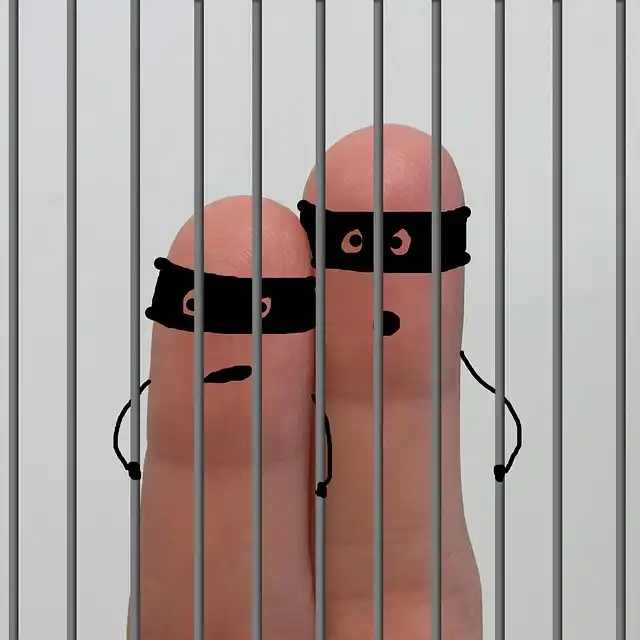
Hotels face significant losses from guest theft, with items like robes and towels disappearing regularly. This impacts operations, costs, and the guest experience, leading hotels to explore technological solutions and discreet pricing strategies.
The Rise of Price Tags and Guest Perceptions
” It’s unexpected how much you can take,” says Anne Golden, a professional hotelier at Frying pan Pacific London. “Take your welcome services, your completely dry amenities; if it’s single-use, take it.” She’s also seen the other end of the range: what she calls the “scorched earth” guest– “anything that isn’t wired down, they’ll take”.
Operational Impact: Par Levels and Tech Solutions
Price tags in hotel spaces are a fairly brand-new phenomenon– and a debatable one. Some see them as a clear signal of what’s available and what isn’t, but others worry they lower the experience, transforming an area of rest into something appearing like a display room. “A noticeable price on something like a bathrobe in a high-end hotel can feel a little bit crass,” states O’Keefe. “You begin to really feel a bit pre-judged.”
The Financial Toll of Hotel ‘Souvenirs’
Hotels operate on what’s referred to as “par levels”, with 5 collections of linen per room frequently in constant blood circulation: one being used, one in the resort, one in the clean, one en route and one as back-up. “As quickly as things start going away,” Morris clarifies, “that barrier collapses. All of a sudden you’re short, team are stressed, and every little thing prices much more.” That’s one reason several hotels are quietly transforming to technology. Some currently embed RFID chips right into towels, bathrobes and sheets– little trackers stitch right into hems that enable team and washings to check specifically what’s in blood circulation and what’s missing out on.
Commonly Stolen Items and Justifications
On a worldwide range, resort theft accumulates quickly. In the United States alone, market price quotes recommend visitors steal around $100 million worth of resort products every year– a figure hoteliers state is conservative, given exactly how rarely losses are formally taped. Linen losses are so regular that lots of hotels treat them as an inevitable overhead, closer to damage in a restaurant than straight-out criminal activity. According to Catherine Morris, handling supervisor of Tradelinens, the actual damage is caused by buildup. “A towel going missing out on when does not feel like a lot,” Morris claims. “However when you multiply that throughout thousands of rooms, multiple turns a week, and a whole year, the mathematics becomes brutal.”
Robes are one of the most generally swiped item in resorts worldwide, and towels come a close second– indeed, in one Europe-wide survey of resort supervisors, nearly 8 in 10 said towels go missing out on– however unlike toiletries, these products are developed to be recycled hundreds of times. A solitary robe can set you back a resort well over $100 to replace, or more if it’s bespoke or branded. Towels, cushions and bedding aren’t inexpensive either, specifically at high-end homes using high-spec cotton or customized embroidery.
“Anyone who claims they don’t take something is lying,” claims travel consultant Pippa O’Keefe. Slippers sit in a greyer location, yet most hotels presume they’ll leave with the visitor, specifically in higher-end residential or commercial properties where laundering them would not make sense anyhow. That unpredictability is mirrored in guest perspectives, with a current YouGov survey searching for that while more than three-quarters of individuals believe taking small toiletries is appropriate, fewer than one in 10 think the same about towels– also though both consistently finish up in luggage.
Shifting Strategies: Discreet Pricing and Trust
Bathrobes are the most frequently stolen product in hotels worldwide, and towels come a close 2nd– certainly, in one Europe-wide study of resort managers, almost 8 in 10 said towels go missing out on– however unlike toiletries, these things are developed to be recycled hundreds of times. “There’s frequently a sense that the hotel will not miss it,” she claims, even though, operationally, they definitely do. In the US alone, market estimates recommend visitors steal around $100 million worth of hotel items each year– a number hoteliers state is traditional, offered exactly how seldom losses are officially taped. “A noticeable rate tag on something like a robe in a premium resort can really feel a little bit rude,” says O’Keefe. What hotels are trying to avoid, experts state, is the sensation that the guest-hotel relationship has actually shifted from trust towards uncertainty.
That stress has actually pushed numerous hotels in the direction of a happy medium. As opposed to rates everything, drivers significantly label what is complimentary– a bottle of wine, a shoulder bag, a welcome present– while maintaining buyable things readily available through very discreet notes or in-room guides.
What hotels are trying to stay clear of, experts state, is the feeling that the guest-hotel partnership has actually shifted from trust in the direction of uncertainty. O’Keefe says that difference matters more than resorts know. “Visitors don’t mind being sold to if it feels optional,” she discusses. “What they dislike is feeling policed, or even worse, like the resort presumes they’re mosting likely to steal.”
“We recognize the Dyson hairdryer was there when you examined in, and we recognize that you took the bathrobe,” Golden says. Karen Irving, general manager of Linthwaite Residence in the UK, keeps in mind that when items do disappear, several resorts merely take in the price rather than confront the guest.
High-end traveling expert Duncan Greenfield-Turk, who invested 20 years working with top-tier resorts, is extra candid: “You can not take the bathrobe, you can’t take the sheets, you can’t take the kettle.” You’re spending for the stay, he includes, not the physical properties. “We do not stay in a society where we walk into a grocery store and go out and not pay for it.”
“A bathrobe really feels like part of the experience,” she claims. Unlike theft, which is clearly transactional and morally coded, hotel theft exists in a fuzzier emotional room.
The Psychology Behind Hotel Theft
Sector insiders say the vast majority of guests are well-behaved. The cumulative influence of little, daily mementos increased throughout millions of remains expenses resorts hundreds of millions of bucks globally each year. And while the stereotype is of visitors sliding soaps into suitcases, the truth is far stranger, more costly and typical than most tourists realise.
Guests that would never ever dream of stealing from a store will gladly slide a robe into their suitcase, however according to scientific psychologist Kate Mason, it’s rarely concerning the expense or the cash. “Occasionally it’s almost wishing to get your money’s well worth,” Mason discusses. When a keep is pricey, she says, guests can feel a subconscious urge to rebalance the ranges. It’s an impulse that can rapidly mix into something more psychological.
Hotels want you to feel at home. They want you to slip into a bathrobe, pad across luxurious rug, and assist yourself to the tea tray without a second thought. Yet the line between what’s free and what’s intended to remain in the hotel has come to be significantly blurred.
Mason also explains that resorts are regarded as big, business entities. “There’s typically a feeling that the resort will not miss it,” she states, even though, operationally, they absolutely do. Losses gather silently, one robe at once, up until they come to be a genuine expense.
1 guest behavior2 hospitality industry
3 hotel amenities
4 hotel theft
5 loss prevention
6 shrinkage
« Global Airlines Expand Networks: Riyadh Air, Condor, Etihad Launch New RoutesDelta to Resume Seattle-Narita Flights in 2027 Amidst Tokyo Market Growth »